

Why Traditional Return-to-Throw Protocols Fail
…and why it’s time to burn the distance chart


What if I told you that the way we’ve been returning throwers to the mound is fundamentally broken?
Not just outdated, but actively setting athletes up for poor outcomes, unnecessary setbacks, and, far too often, re-injury.
I’ve watched it happen too many times. An athlete gets the surgery, follows the protocol, “feels good,” and then somewhere between the first bullpen and the first game, intensity; they break.
But here’s the truth: they didn’t break there. They broke months before.
They broke in the way we returned them to throwing.
For decades, the return-to-throw process has been built on a foundation that looks structured but isn’t. An athlete walks out of a doctor’s office, surgery in the rearview mirror, and in their hands is a piece of paper, a pre-written, mass-produced throwing chart. Sixty feet. Ninety feet. One-hundred-twenty. A few percentages scribbled in next to each distance. A timeline that assumes every elbow heals on the same schedule, with the same stress, and the same response.
And for far too long, that has been accepted as good enough.
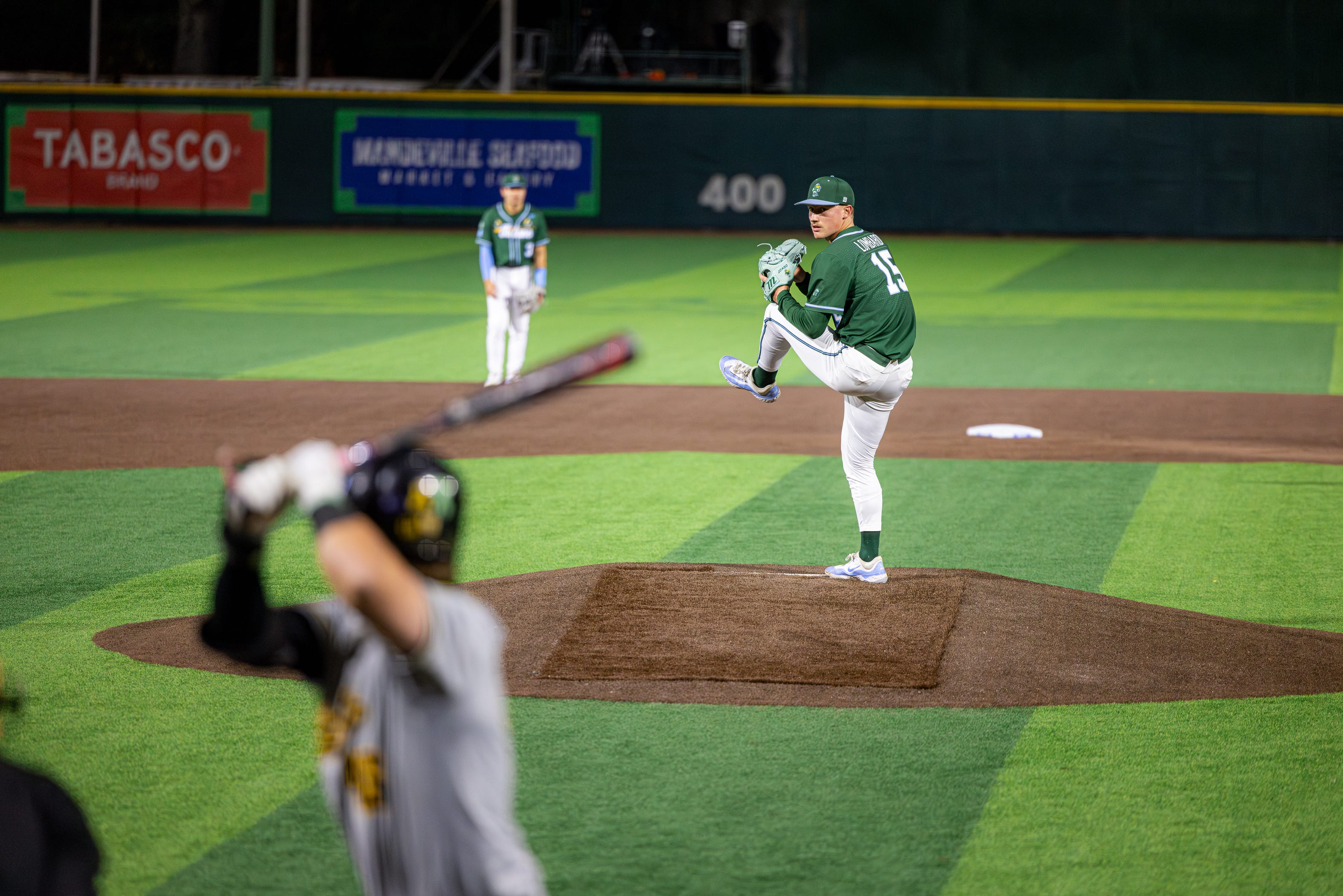
But when you actually look at what these programs are built on, there’s nothing underneath. A recent review of publicly available interval throwing programs found that the majority were methodologically weak, poorly structured, and offered no real quantification of load [2]. What we’ve been handing to athletes and clinicians for decades isn’t a plan — it’s a guess dressed up like science.
The cost of that guesswork shows up in tangible outcomes. Revision UCL surgeries are climbing, and we now know they don’t end the same way primary procedures do [3]. Fewer pitchers return. Fewer hold their previous level. Many never regain the same capacity. And none of this should be surprising when the system we use to get them back is as fragile as the ligament we just tried to rebuild.
This isn’t bad luck. This isn’t a fluke. This is the direct result of a model built on perception, distance, and timelines rather than on actual load and adaptation. We’ve been navigating one of the most critical phases of an athlete’s career with a broken compass, and it shows.
